
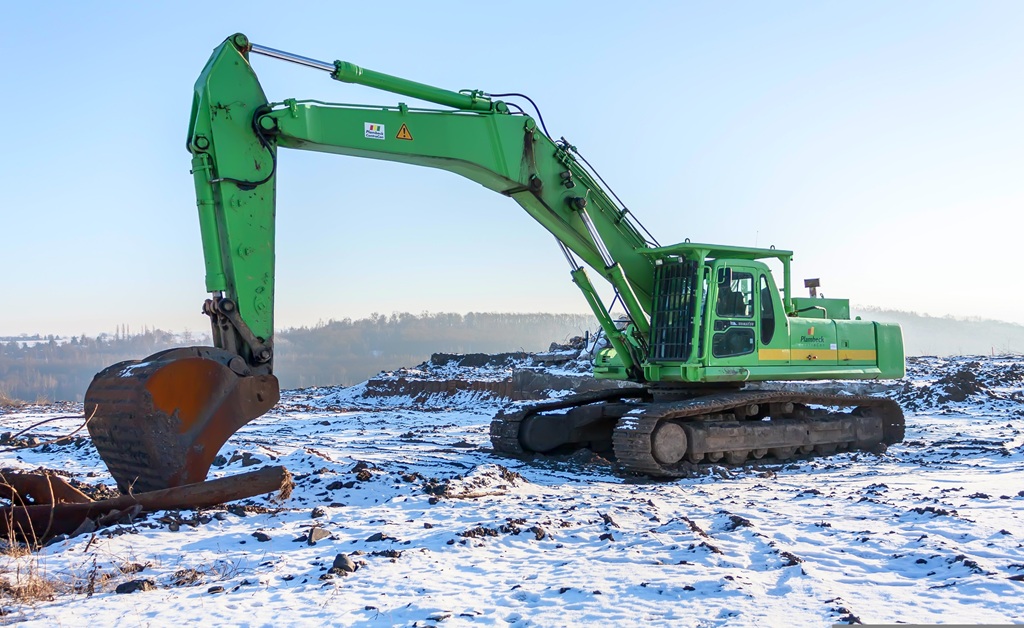
4 Signs Something is Wrong with a Hydraulic System
The United States depends on hydraulic systems, which provide powerful and dependable performance to various industrial applications. The systems maintain operational efficiency for construction equipment and manufacturing machines. The system requires performance testing to determine its current operational status.
Minor problems become expensive repairs when organizations choose to overlook them. Organizations need to identify hydraulic system warning signs, which should be treated as critical points to troubleshoot hydraulic systems, to prevent system breakdown from occurring.
Do you see any strange performance patterns happening in your machinery? We will examine four typical indications that demonstrate that there is a problem in this guide!
1. Unusual Noises Coming from the System
Your hydraulic equipment should not produce knocking, whining, or banging sounds. Strange noises are often one of the first signs of trouble. The system creates a loud whining sound because air becomes trapped inside the system. The presence of banging or knocking noises reveals that cavitation is taking place due to the collapse of air bubbles in the fluid. The operational system experiences problems that decrease its efficiency while creating a chance of pump damage.
You should not dismiss machinery sounds that change suddenly. The first step requires checking all fluid levels while technicians search for leaks and confirm that all connections have been properly secured. The solution will prevent expensive repair expenses while extending equipment operational time.
2. Slow or Weak Performance
The equipment operates at a slower speed than its normal operating rate. The equipment fails to lift its previous load capacity. The decrease in performance functions as an obvious indication.
Low hydraulic pressure together with worn-out pumps and internal leaks functions as the problem source. Contaminated fluid can block flow paths, which results in power loss. The first steps to troubleshoot hydraulic systems include pressure reading assessment and fluid condition evaluation.
The first question you must answer is whether your productivity has decreased during the last period. The examination of hoses, seals, and cylinders must begin after you have verified the loss of productivity. The quick elimination of these issues makes it possible to regain power and productivity.
3. Overheating Hydraulic Fluid
The hydraulic system faces its greatest challenge in heat. Heat is normally produced when the system is in operation, but high heat is an indication of a problem. The system operates under high temperatures because of the three possible causes, which include clogged filters, low fluid levels, and high friction.
The system will experience more rapid component damage, which will result in a total shutdown of the system. The hydraulic fluid will not work effectively because the heating effect has reduced the fluid’s ability to protect the system components and lubricate. The maintenance team should inspect the cooling systems as they clean the filters to ensure that all fluids comply with the fluid standard requirements.
4. Leaking Hydraulic Fluid
Leaks are one of the most noticeable symptoms that something is amiss. Fluid puddles under machinery or visible leaks in hoses should never be dismissed.
Leaks in hydraulic systems will not only consume fluid, but they will also lower the system pressure. This can lead to performance problems and environmental issues over time. Leaks can occur because three different types of issues happen, which include worn seals, broken hoses, and loose fittings. You must conduct system inspections at regular intervals.
The small leaks that you notice will eventually turn into bigger issues if not repaired early. The replacement of the worn-out parts will ensure equipment is in working condition.
Conclusion
The hydraulic system is designed to function in extreme conditions. Regular maintenance is essential for early detection of problems, resulting in easier and less costly solutions. Equipment inspection and the process to troubleshoot hydraulic systems should become your routine practice whenever equipment problems first appear. Your proactive maintenance approach will safeguard machinery assets while decreasing downtime and maintaining uninterrupted operations throughout your United States worksite!
Read Our Blog : 8 Legendary Land Rovers
